
Buy-to-Let
HMO Mortgages: A 2026 UK Landlord's Guide to Financing Multi-Let Property
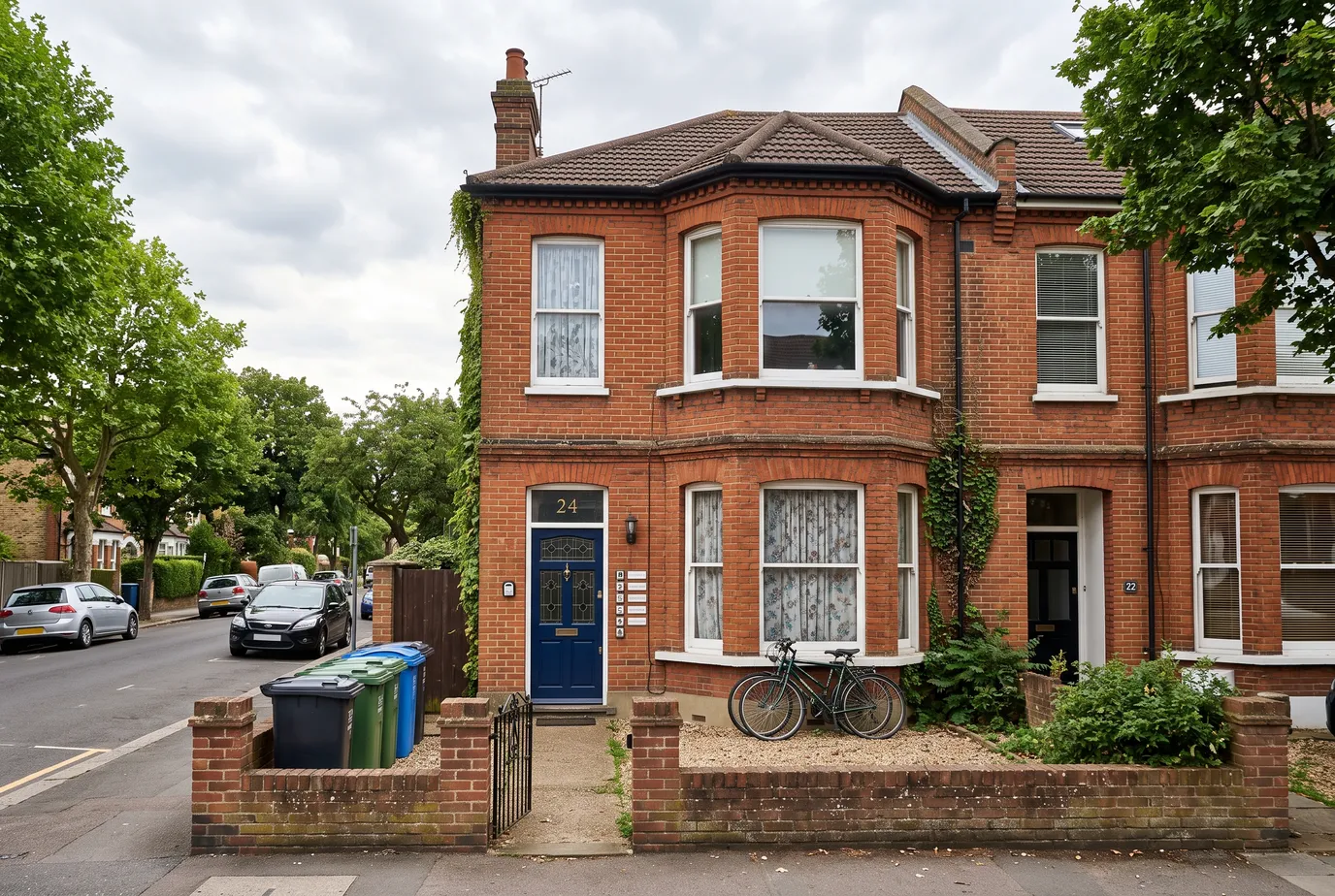
If you’re looking at a house in multiple occupation (HMO) as your next investment, or converting an existing rental into one, the mortgage is usually the part that catches people out. Standard buy-to-let lenders often won’t touch HMOs at all, and the ones that do assess them very differently to a normal single-let property. Here’s what you actually need to know before you make an offer.
What counts as an HMO?
A property is an HMO if it’s let to three or more people from two or more households who share facilities such as a kitchen or bathroom. That’s the legal definition under the Housing Act 2004, and it applies whether you’ve branded the property as “professional house share,” “student let,” or anything else. If it meets the test, it’s an HMO in the eyes of both your local authority and your lender.
Mandatory HMO licensing kicks in at five or more occupants from two or more households, regardless of how many storeys the building has. Below that threshold, many councils run additional licensing schemes that pull in smaller three and four-person HMOs too, and a growing number of local authorities have introduced these schemes over the past few years. There’s no shortcut here: you need to check your specific council’s rules, because licensing requirements vary significantly by area and by property.
Why lenders treat HMOs differently
A standard buy-to-let mortgage is priced and assessed on the basis of one household paying one rent. An HMO has several tenancies, several income streams, and considerably more moving parts from a management perspective. Lenders see three things that change their risk calculation:
- Regulatory exposure. An unlicensed HMO that should have been licensed is a criminal offence, and it can result in an unlimited fine, a rent repayment order covering up to twelve months of rent, and in serious cases a banning order preventing you from letting property at all. Lenders don’t want that risk sitting behind their security, so most require a valid HMO licence, or clear evidence you’re eligible for one, before they’ll release funds.
- Management intensity. More tenants means more turnover, more administration, and a higher chance that something (a boiler, a fire door, a licence renewal) needs attention at any given time.
- Valuation complexity. HMOs are valued on a mix of bricks-and-mortar value and rental income, and not every valuer or lender is comfortable doing that consistently.
The result is a smaller pool of willing lenders, but also a genuine opportunity: gross yields on HMOs typically run well above standard single-let buy-to-let, precisely because the income is spread across multiple tenancies.
Deposits, rates, and lending criteria
Expect to put down at least 25% for an HMO purchase, with some specialist lenders willing to go as low as 20% and others requiring 35% or more depending on the property and your experience as a landlord. Most mainstream buy-to-let lenders cap the properties they’ll consider at six bedrooms or fewer; beyond that, you’re firmly in specialist lender territory.
Rates for HMOs generally sit a little above standard buy-to-let, reflecting the additional underwriting and management risk. The exact premium depends on the lender, the size of the HMO, your landlord experience, and whether the property is licensed and compliant. As with any buy-to-let deal, the headline rate matters less than the overall cash flow once fees, licensing costs, and realistic void allowances are factored in.
A first-time landlord can still get an HMO mortgage, but the lender pool narrows considerably. Most lenders prefer to see at least twelve months of experience letting a standard buy-to-let property before they’ll consider you for an HMO, though a handful of specialist lenders will work with first-time HMO landlords on the right property.
Licensing: the part that trips people up
Every HMO mortgage application now sits on top of a licensing question, and it’s worth getting this right before you exchange, not after.
- Mandatory licensing applies to any property let to five or more people from two or more households sharing facilities, across England and Wales.
- Additional licensing lets individual councils extend that requirement down to three or four-person HMOs. A significant number of councils now run schemes like this, and they don’t always cover the whole borough, so you need to check the exact streets or wards involved.
- Selective licensing goes further still in some areas, covering any privately rented property, HMO or not.
Licence processing can take anywhere from eight to sixteen weeks depending on the council, and lenders build that lead time into their timelines. If you’re buying with a completion date already in mind, get the licence application moving in parallel with your mortgage application rather than waiting for one to finish before starting the other.
The Renters’ Rights Act and what it means for HMO lending
The Renters’ Rights Act took effect from 1 May 2026 and has changed the tenancy landscape that lenders are underwriting against. Fixed-term assured shorthold tenancies have gone, Section 21 “no-fault” evictions are abolished, and all tenancies are now periodic from the outset. Rent increases are limited to once a year through a formal process.
For HMO landlords specifically, this matters because much of a lender’s risk assessment used to lean on the ability to recover possession relatively quickly if a tenancy went wrong. With that route removed, lenders are paying closer attention to your management plan and your track record, rather than assuming a straightforward exit is always available. Getting this part of your application right, showing that you understand the new tenancy framework and have a credible plan for managing multiple tenancies within it, can materially affect which lenders will look at your case favourably.
Financing a conversion, not just a purchase
If you already own a standard buy-to-let and want to convert it into an HMO, the mortgage question is slightly different. Your existing lender may not permit the change of use under your current mortgage terms, so you’re typically looking at either a remortgage onto a lender that accepts HMOs, or a further advance to fund the conversion works if your current lender allows it. Bridging finance is sometimes used to fund the physical conversion before refinancing onto a longer-term HMO mortgage once the property is let and licensed.
Where a whole-of-market broker earns their fee
HMO lending is one of the more fragmented corners of the mortgage market. The lenders willing to consider these deals vary enormously in their appetite: some cap the number of bedrooms, some won’t touch Article 4 areas, some want to see prior landlord experience, and pricing can move significantly between what looks like similar deals on paper. That’s before you factor in the licensing question, which changes property by property and council by council.
We work with clients across Berkshire, Buckinghamshire, and the wider Thames Valley who are buying their first HMO, expanding an existing portfolio, or converting a standard let. Because we search across the whole market rather than a single panel, we can match your circumstances, your experience level, and the property itself to the lenders most likely to say yes, and at a rate that keeps the numbers working once licensing and management costs are accounted for.
Book a free consultation to talk through your HMO plans, whether you’re at the “just exploring” stage or ready to make an offer.
Related guides
- Buy-to-let mortgage advice
- Limited company buy-to-let mortgages
- Buy-to-let mortgages in Berkshire & Buckinghamshire
- Mortgage affordability calculator
Buy-to-let mortgages, including HMO mortgages, are not regulated by the Financial Conduct Authority in most circumstances. This article is for general information only and does not constitute financial, legal, or tax advice. Rates, criteria, and licensing requirements are subject to change and should be verified with your local authority and a qualified adviser.

Gaurav Shukla
CEO · CeMAP DipFA
Gaurav has over a decade of experience spanning top brokerages, fintech startups, and wealth management firms. He specialises in high-value mortgages for professionals and athletes, bringing a strategic, client-first approach to every case.
A CeMAP and DipFA qualified adviser, he founded Home Me Mortgages with a simple goal: to make expert mortgage advice genuinely accessible across Berkshire, Buckinghamshire, and London. An avid football fan, you will often find Gaurav at local grounds taking in a game at the weekend.